
How to Deal with a Lack of Respect In the Classroom
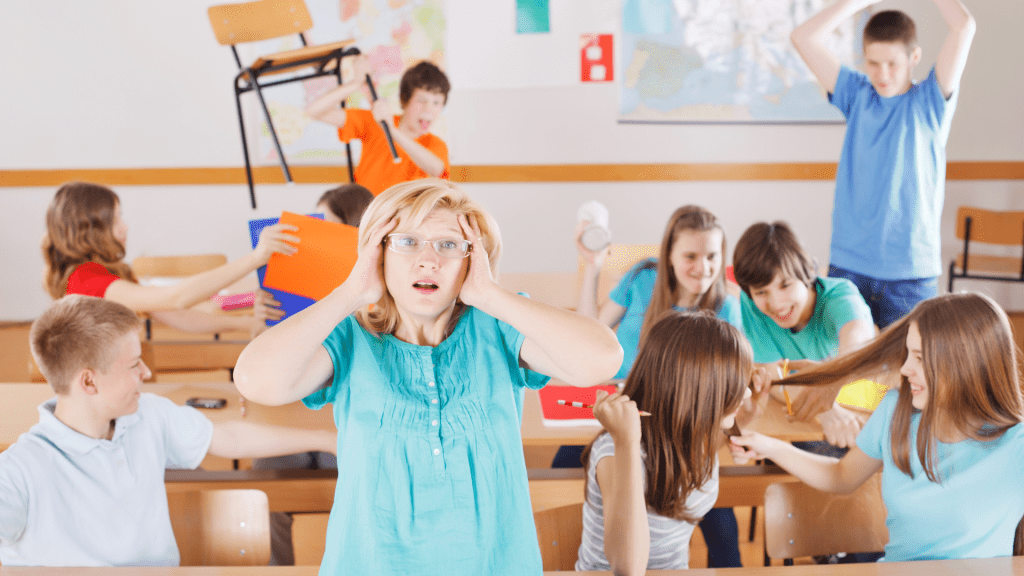
Addressing disrespectful behavior in the classroom is crucial to maintaining a positive learning environment where students feel safe. If you struggle with classroom management, these 5 strategies will help you deal with the lack of respect in the classroom, regain control of behaviors, and gain respect from your students.
It is crucial to handle emotionally charged situations without becoming emotionally invested. Can you recall a time when you lost the battle with your emotional brain (amygdala) and dived right into a verbal battle of wills with a student? Chances are there were no winners.
#1 Stay Calm and Consistent
Staying calm in an emotionally charged situation is KEY! Using your breath to calm your nervous system before, during, and after dealing with an escalated student situation. It will help you handle crises with efficacy and grace. Your response impacts the student you are currently engaged with, as well as the classroom of students watching you. You will gain the respect of the masses if you remain calm.
Consistency is another key factor in success. Like our students, our moods fluctuate. Dealing with a lack of respect in the classroom when you are fresh and at the top of your game may look different than a Friday afternoon. That is why #2 is so important.
#2 Deal with Lack of Respect in the Classroom by Building Self-Esteem
When students feel good about themselves, they are more likely to treat others with kindness and respect. Building self-esteem helps children recognize their own strengths and unique qualities, which reduces the need to put others down to feel important. Confident students are less defensive and more open to listening, cooperating, and responding positively in the classroom.
Fostering self-esteem also creates a stronger sense of belonging. When students feel valued and capable, they are more motivated to contribute to a positive classroom culture. This respect for themselves naturally extends to respecting peers, teachers, and the learning environment, making self-esteem an essential foundation for developing respectful behavior.
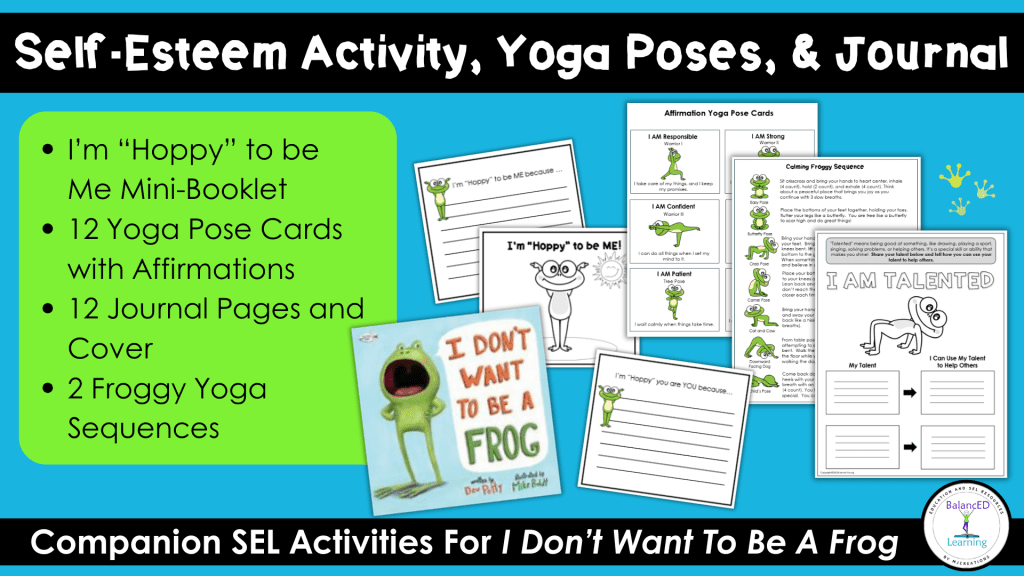
The I Don’t Want to Be a Frog Self-Esteem Activity is perfect for brain breaks, SEL blocks, or morning meetings. Students connect with the story while using yoga, journaling, and affirmations to celebrate their own strengths. Check it out below to view the full preview.
#3 Establish a Protocol to Deal with Disrespectful Behavior
When you are in the heat of the moment with a disrespectful student, it is easy to get swept into battle. This is where that breathwork comes in…take a deep breath and know your protocol. YOU need to refer to the system you and your students have already set in place. One that you and your students are familiar with.
The goal is to get past the emotionally charged moment without escalating the situation; it is not to solve the current issue. Later, once the situation is diffused, check in with the student, make sure the student understands why the behavior is not acceptable, and explain the consequence (outlined in the protocol).
While I believe a protocol is necessary, I also believe we should treat situations with compassion and empathy. After having a conversation with Johnny, I may learn that he has been dealing with a serious personal or family situation. This is where it is necessary to show empathy and support (#5). There are always special circumstances and teachers reserve the right to adjust consequences in special situations.
#4 Address Lack of Respect in the Classroom with a SEL Program
The sad reality is that some of our students do not have role models for respect, kindness, gratitude, etc. Their only opportunity to learn these social-emotional skills is at school. For those students who are blessed with role models, our lessons reinforce what they are taught at home.
Having a consistent program is key. A consistent program may only consist of 10-15 minute lessons a day. Emotional regulation tools, such as breath work can be used daily to set the tone for the day. Use guided meditations as transition activities to reset and focus students before heading into your next lesson.
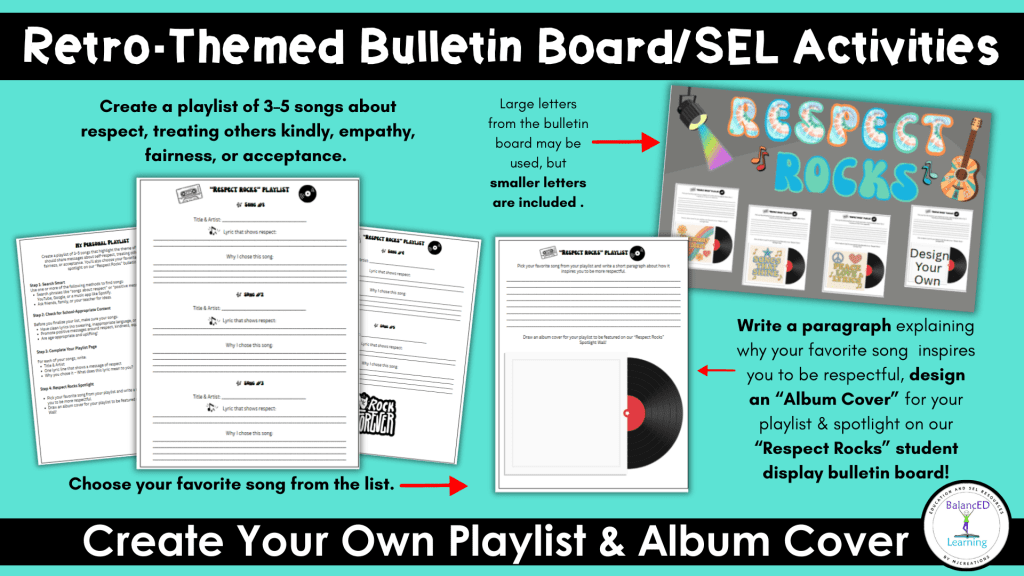
You can incorporate lessons on respect, self-esteem, emotional regulation, and other important SEL skills into your reading and writing programs. A student with high self-esteem who knows how to regulate emotions is most likely not going to be the student who is disrespectful in your classroom. Many studies support the claim that building self-esteem improves behavior and academic performance.
#5 Deal with a Lack of Respect in the Classroom by Acknowledging Respectful Behavior
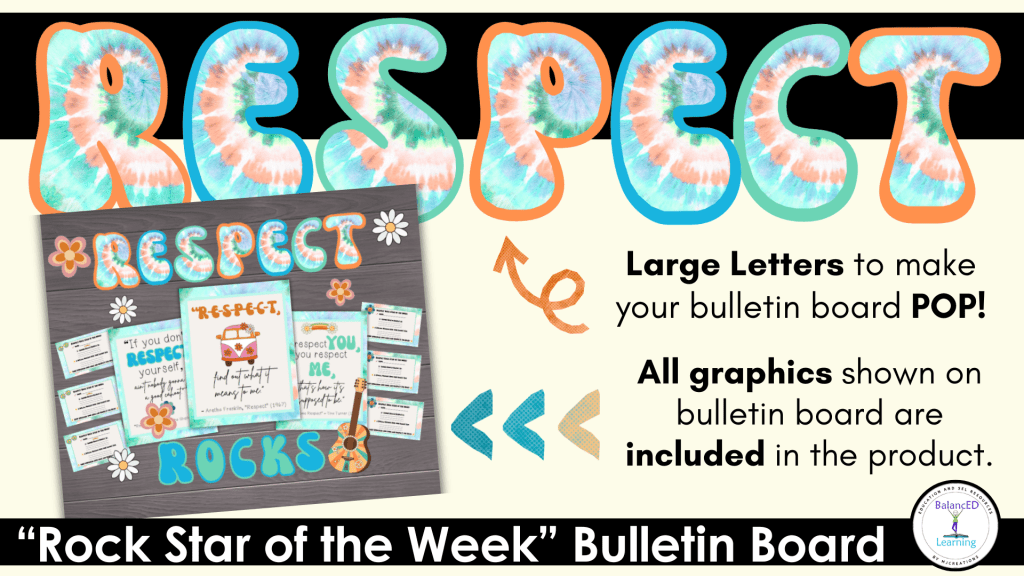
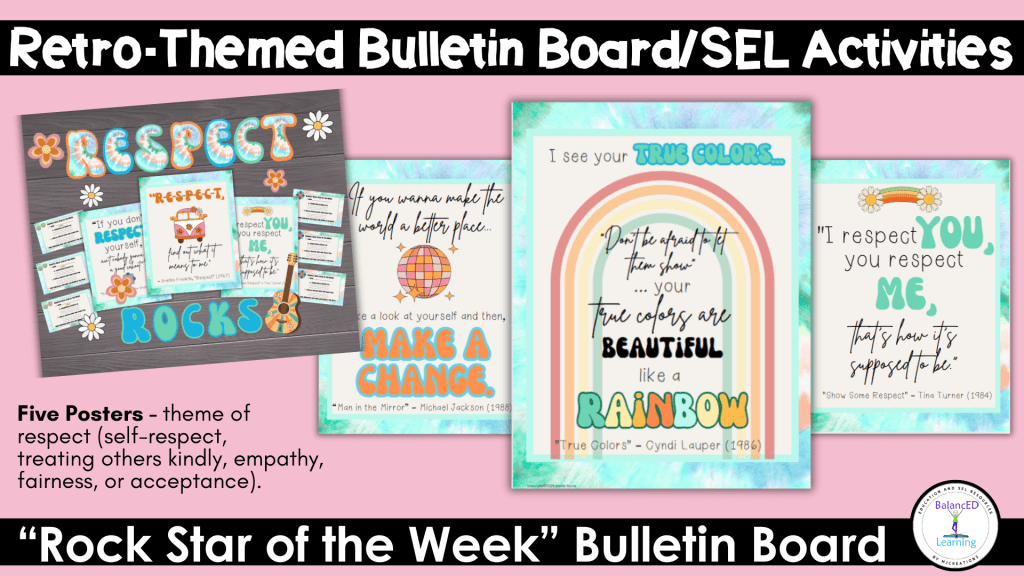
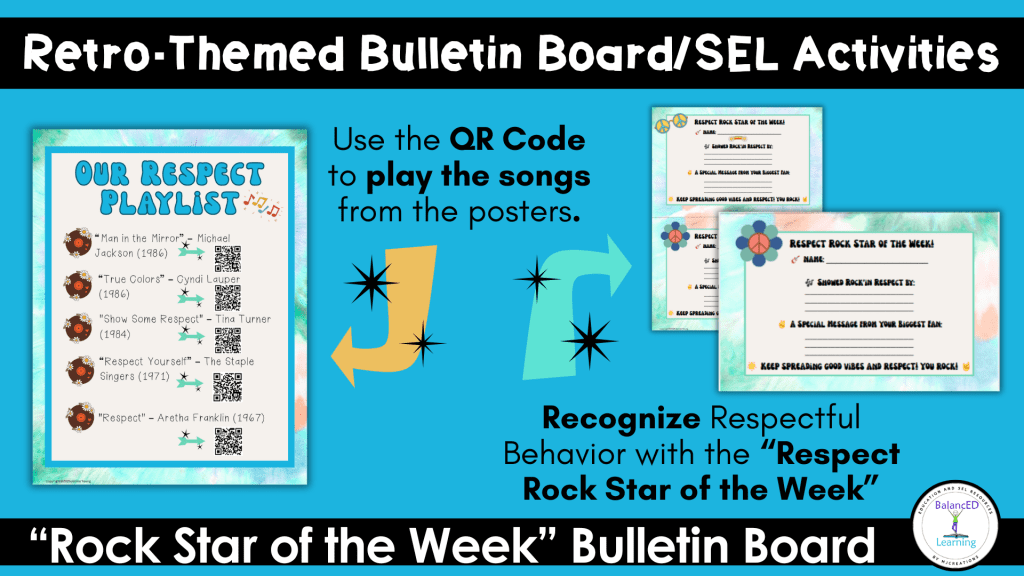
Recognizing positive behaviors is essential for building a productive and emotionally regulated classroom environment. When students see their efforts acknowledged, it boosts their confidence and reinforces the value of making good choices. This positive reinforcement sets a clear example, encouraging all students to rise to the same expectations. Over time, it helps create a culture where students consistently celebrate and practice kindness, respect, and responsibility.

#6 Show Empathy and Provide Support
Keep in mind that students who repeatedly engage in disrespectful behavior are likely struggling with their mental and emotional health. These students need you the most and make your job difficult, so making a connection and establishing a consistent program will help you create a safe classroom environment.
While all behavior issues aren’t a sign of mental health issues, students who consistently act out may need more support than you can provide. Below is a short list of resources. Note that most states also offer free mental health services. Connect with your school counselor to find the best resources for your students.
- School Counseling Services: Most schools have counselors available to provide free support and can refer students to additional resources as needed.
- National Alliance on Mental Illness (NAMI): NAMI offers free support groups, educational programs, and resources for individuals experiencing mental health challenges.
- Crisis Text Line: Students can text “HOME” to 741741 to connect with a trained crisis counselor 24/7 for confidential support regarding any emotional or mental health issues.
Conclusion
When you are consistently managing students who show a lack of respect in the classroom, it can drain you emotionally and physically. Establishing a system to manage disrespect helps create a sense of control, using methods to remain calm, and referring to your protocol can make this difficult situation a bit easier to manage. Teaching is an intrinsically rewarding profession when you form strong connections with your students. Learning how to create a safe, respectful environment is key to success.
Additional Blog Resources
- 5 Proven Strategies to Improve Emotional Regulation in the Classroom
- 5 Reasons Why Daily SEL Programs Improve Behavior and Academics
- 3 Reasons Social-Emotional Skills Are Improved With Yoga
Additional Product Resources


